 Loading...
Loading...
Loading...
Independent L. works every day to promote truly accessible and inclusive mobility and public space for people with disabilities. While electric mobility is an important step forward, it risks excluding certain categories of users if accurate information on the physical accessibility of infrastructure, such as electric vehicle charging stations, is not provided.

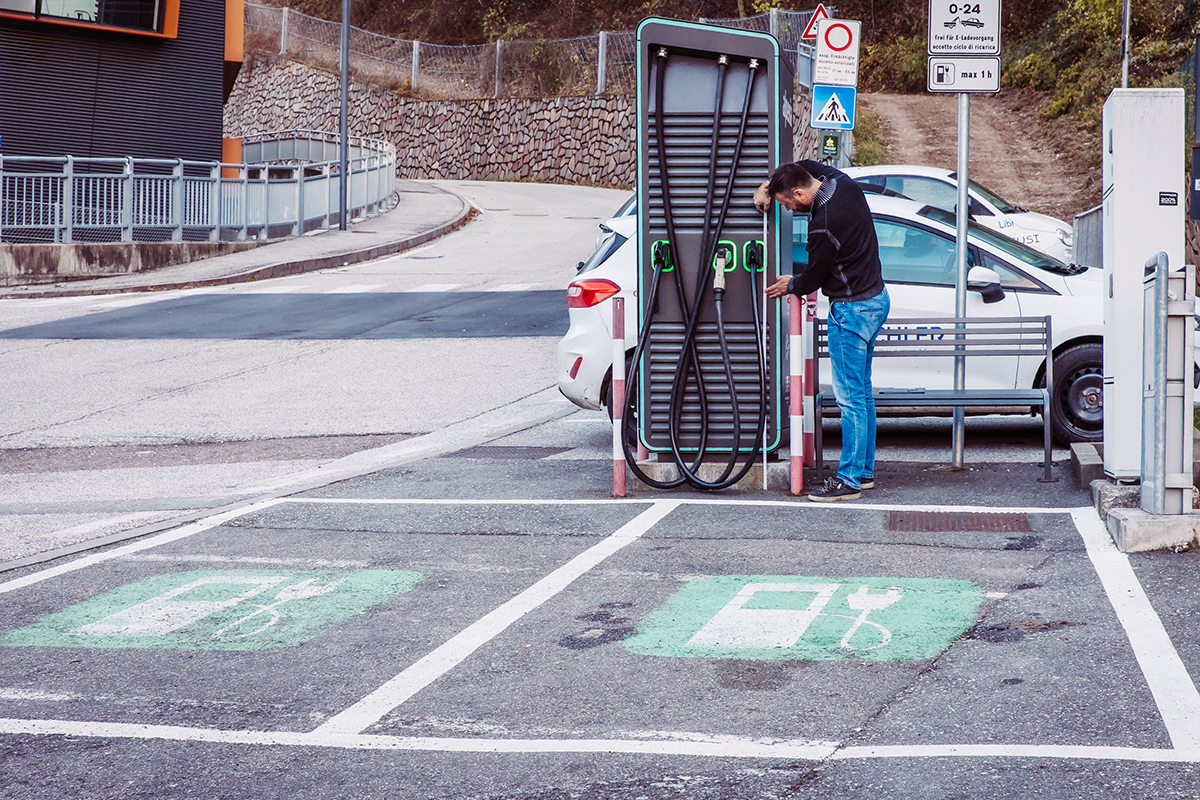
The guiding questions for Independent L.’s work are simple yet essential:
‘Is this charging station really accessible? Is there enough space to manoeuvre a wheelchair? Are there architectural barriers?’
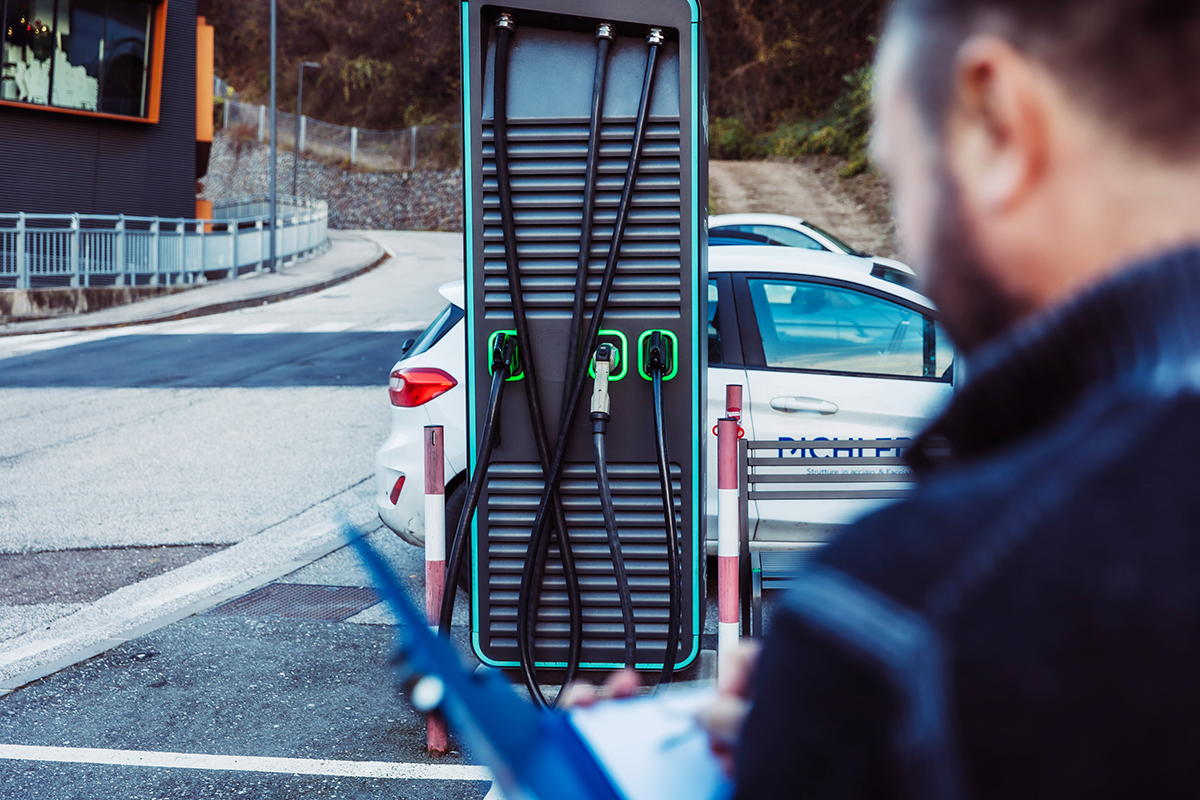
In 2025, Independent L. conducted a comprehensive survey of 822 publicly accessible charging stations in South Tyrol on behalf of STA - Südtiroler Transportstrukturen AG, with the aim of assessing their architectural barriers and actual usability by people with disabilities.A team from Independent L. examined the electric vehicle charging stations in the field, assessing each facility on the basis of 15 technical criteria. These included parking space dimensions, surface type, slopes, signage, cable length and the height of controls.
All the collected data was entered into the Open Data Hub’s Data Browser in a dataset providing a detailed overview of charging station accessibility for people with disabilities. According to the parameters collected and the organisation’s technical analysis, each charging station was classified as Accessible (24%), Partially Accessible (22%) or Not Accessible (54%).
Discover the dataset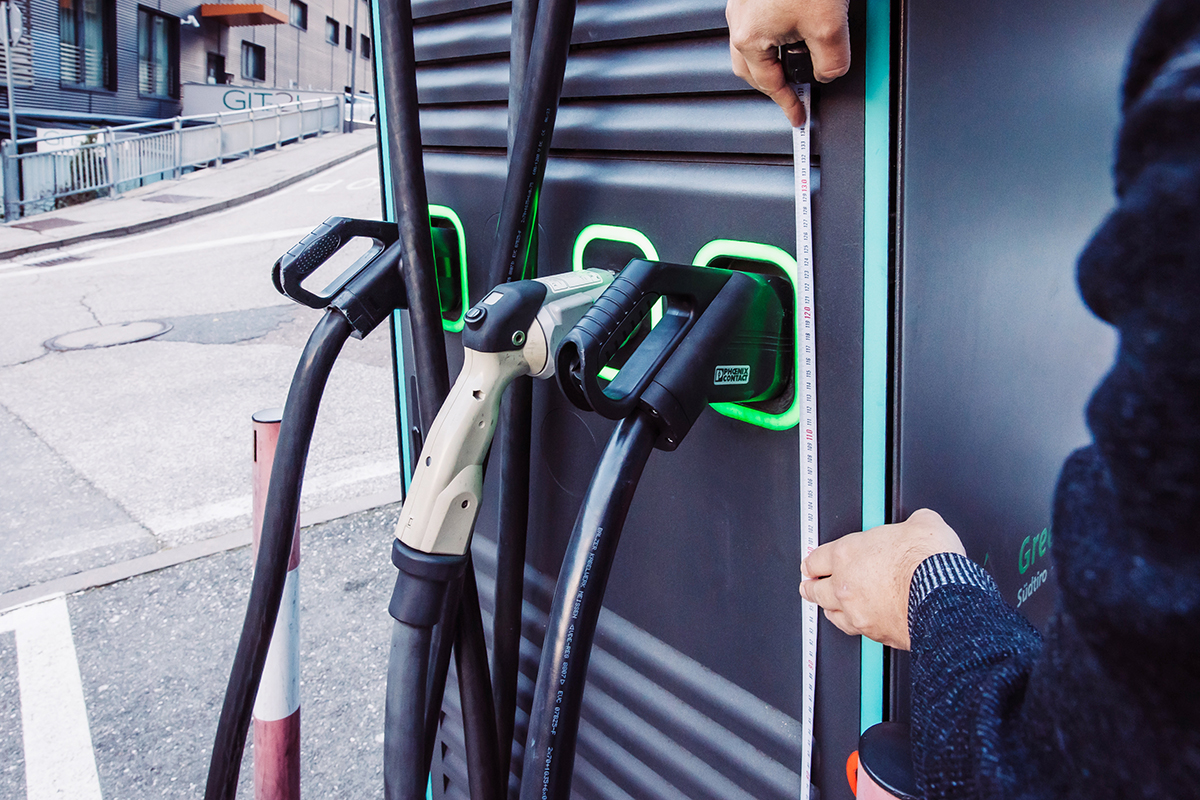
All the collected data have been entered directly into the Open Data Hub platform and is publicly available to all thanks to the Data Browser interface tool.
Anyone — citizens, developers or public authorities — can view the complete list of evaluated charging station, filter by accessibility, location or type, and use the data to develop more inclusive services or inform planning decisions.
Would you also like to contribute to a more inclusive future?
Find out how to use the Data Browser to explore, update and share meaningful data.
Explore the Data Browser or email us to find out more.