 Loading...
Loading...
Loading...
Explore real-world examples of how innovative digital services have been developed using data from the Open Data Hub. These use cases highlight how Open Data can be applied to solve practical challenges - from improving urban mobility to enhancing the tourism experience. Get inspired by concrete solutions that demonstrate the value of data in creating smarter, more connected digital ecosystems.
The collaboration between Ithel and Open Data Hub shows how Artificial Intelligence and Open Data can work together to solve practical mobility challenges. By making parking information accessible, interoperable and actionable, the project helps local communities manage visitor flows more effectively while laying the foundation for future digital mobility services.

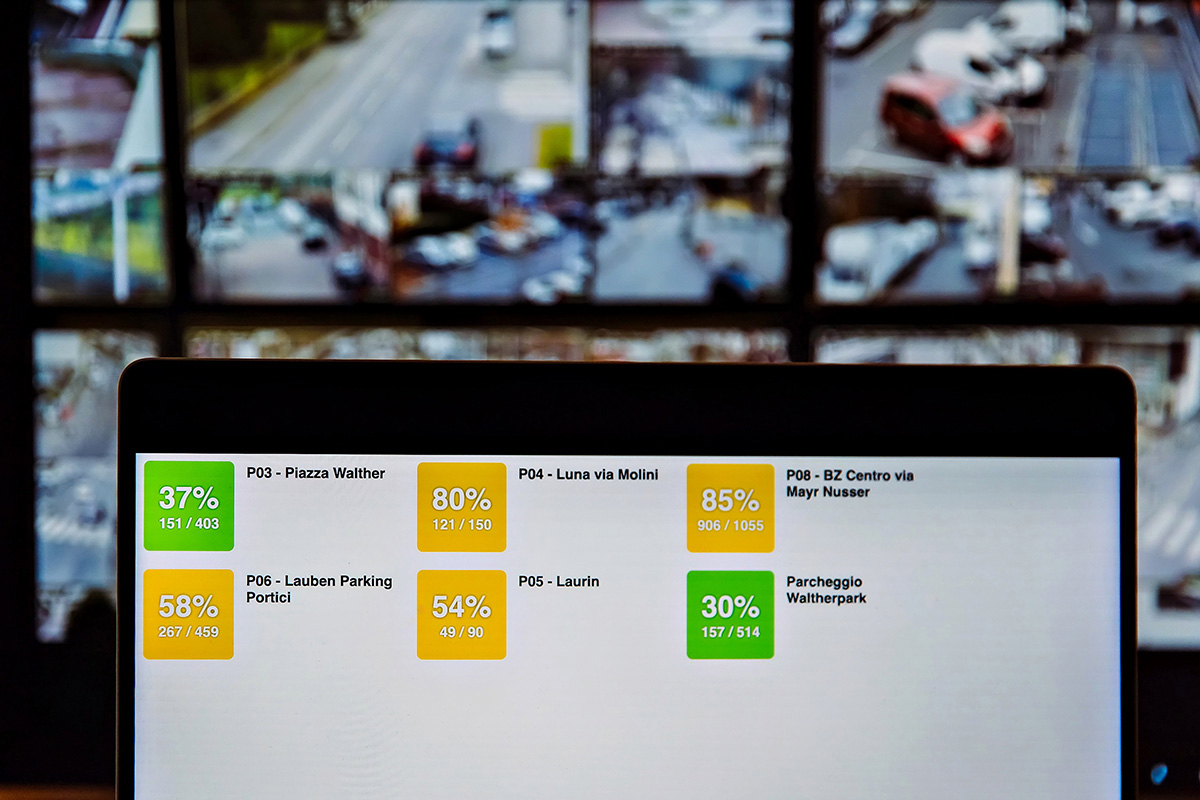
Bolzano attracts large numbers of visitors throughout the year, particularly during the peak tourist season. As traffic volumes rise, parking areas in the city centre can quickly reach capacity, causing congestion and affecting urban mobility. In order to respond more efficiently, the Municipality of Bolzano required a user-friendly solution that could provide real-time information on parking occupancy and facilitate rapid decision-making regarding traffic management.
How can an app transform simple data into an experience of discovery? Stendhapp proves that it is possible. By integrating open data on events and places of interest from the Open Data Hub into its map, the Italian start-up has been able to grow quickly in new areas, creating personalised itineraries for users that are even more up to date and relevant. This is a concrete example of how high-quality data can drive innovation in tourism and cultural promotion.
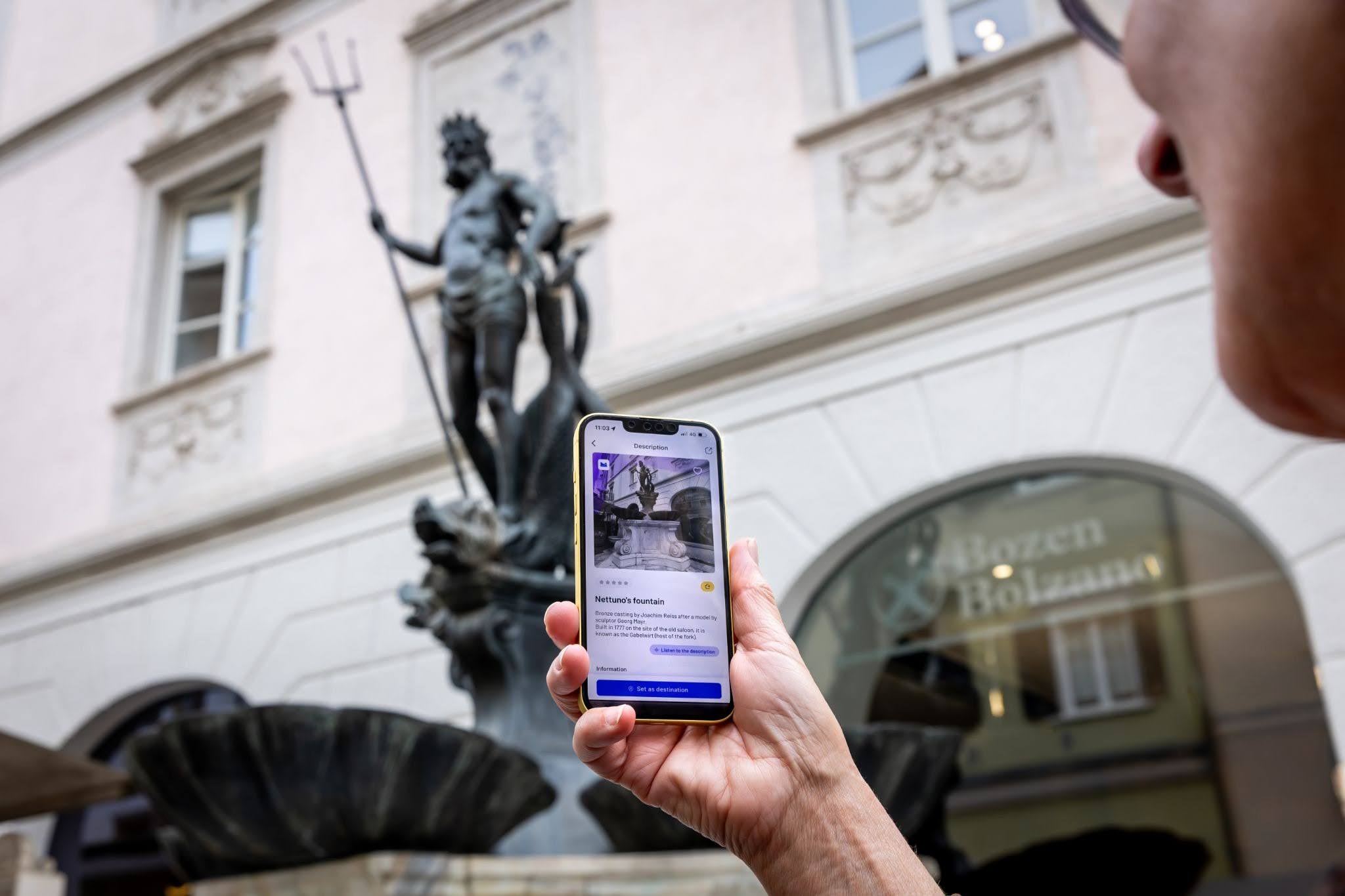

In Merano, taxis are becoming an integral part of the intelligent mobility system thanks to Open Data Hub’s Data Sharing service. By securely sharing real-time location and availability data, each driver contributes to a digital ecosystem that reduces waiting times, optimises journeys, and improves the experience for residents and visitors alike. This data can also be integrated into journey planning tools to support more efficient and sustainable multimodal mobility.
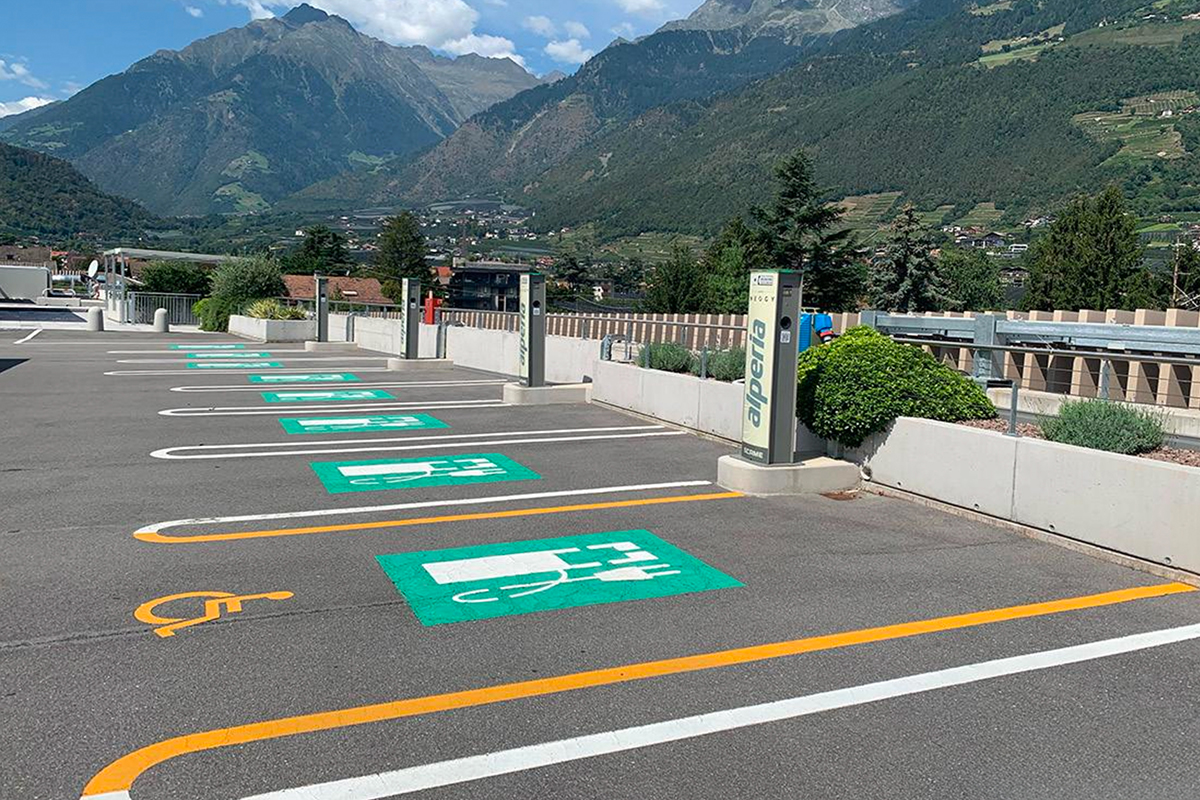
Independent L. is an organisation that works daily to make public spaces and mobility more inclusive and accessible for people with disabilities. While electric mobility offers great potential, it risks becoming inaccessible to some if there is a lack of clear information on the accessibility of infrastructure, such as electric vehicle charging stations.
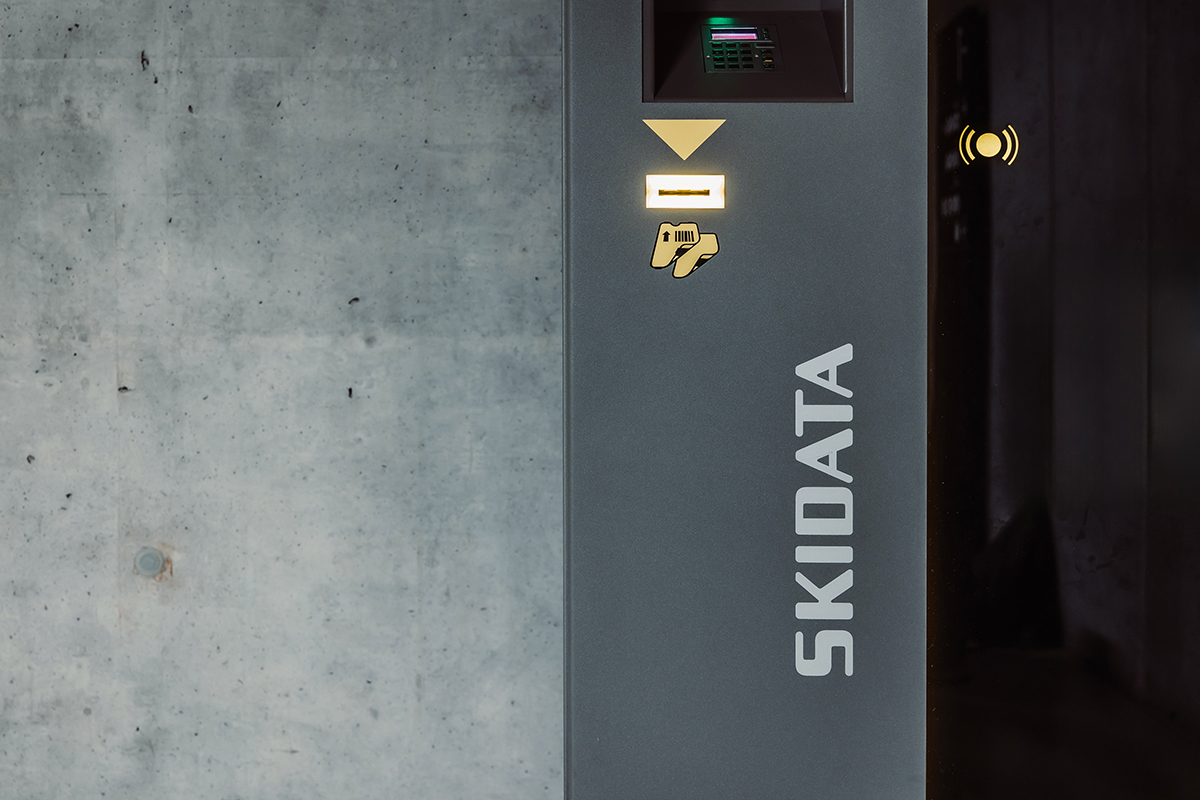
Skidata, a company that specialises in providing parking management and access control solutions, has chosen to integrate itself into the Open Data Hub ecosystem by becoming an “API Certified Technology Provider”.
Touristinfo.ai is an AI-driven virtual assistant that enables destinations and tourist offices to manage tourist flows efficiently. It also engages with guests in their own language, providing information to improve the visitor experience.

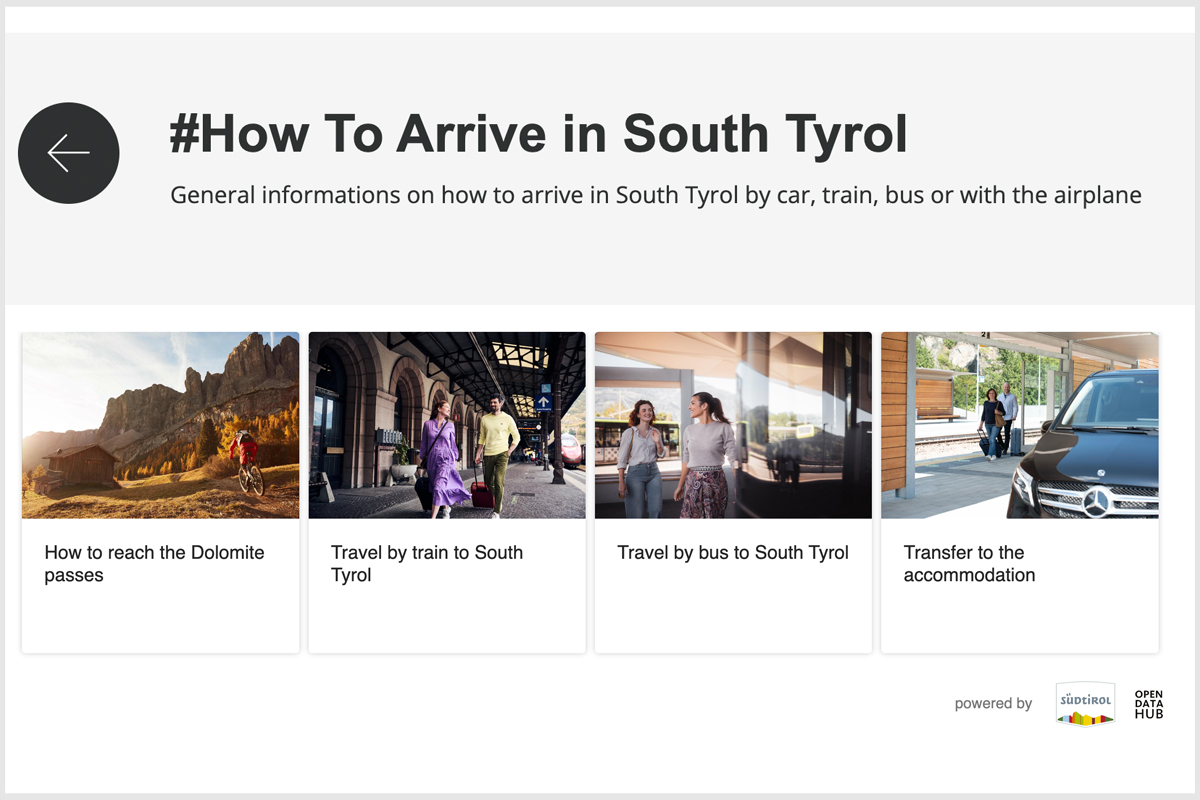
“How do I get to South Tyrol?”
It’s one of the most common questions among tourists planning a trip to the region. To provide a clear, multilingual and constantly updated answer, the “How to Arrive in South Tyrol” widget was developed — a web component that is easy to integrate, accessible to everyone and designed to make travel information readily available.
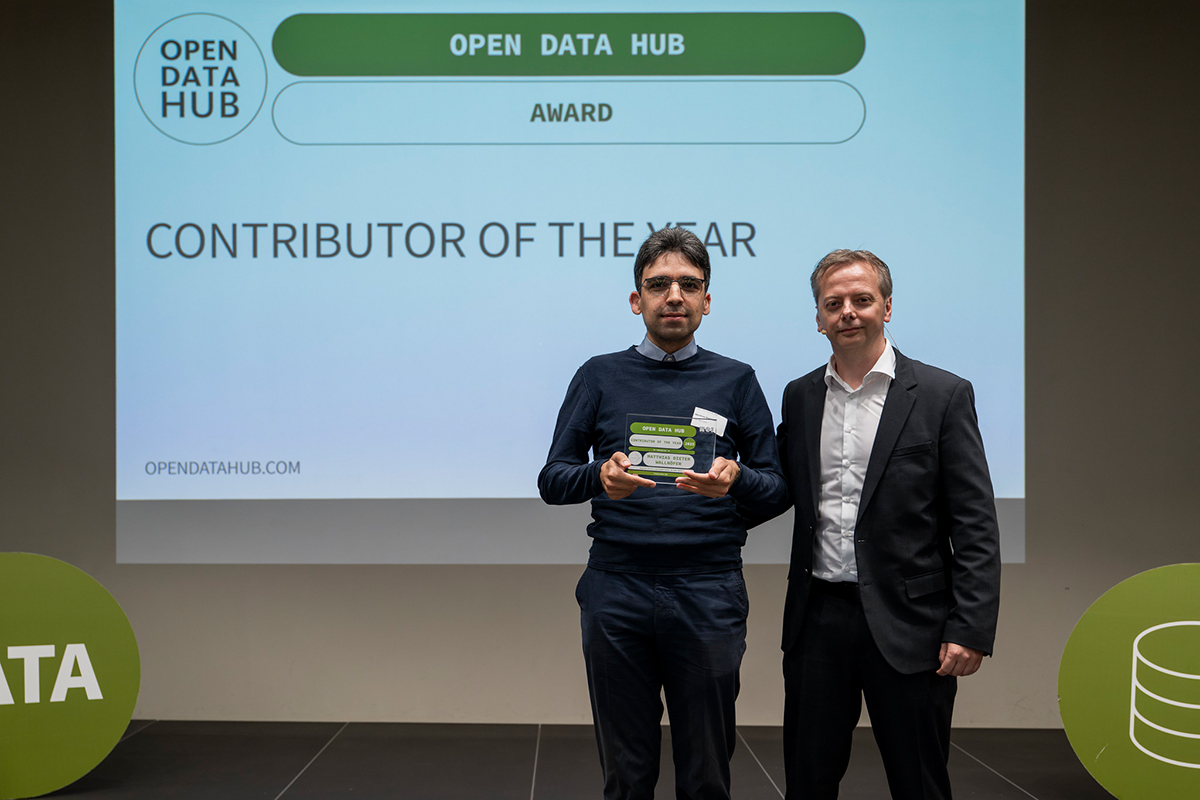
Each year, Open Data Hub honours an individual whose exceptional contributions have significantly advanced the community and its impact, awarding them the prestigious Contributor of the Year title.
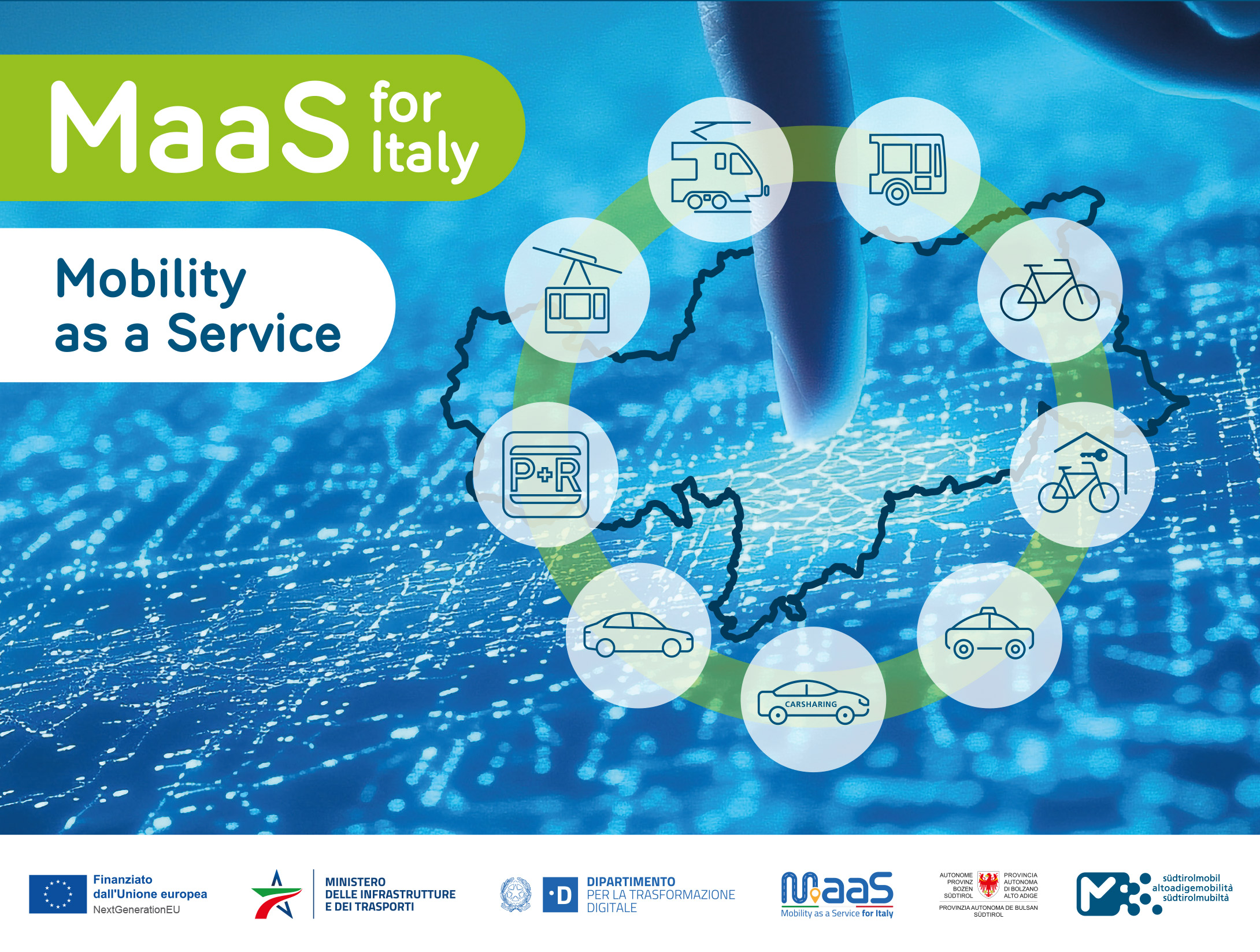
Integrating transport services is crucial to ensuring more efficient and sustainable urban mobility. Supported by Open Data Hub,the MaaS4Italy project is changing the way citizens and tourists travel by bringing together public transport, car sharing, bike sharing and taxis on a single digital platform offering Mobility as a Service (MaaS). Thanks to Open Data Hub, local operators can easily access and share mobility data without worrying about complex technical standards. Find out how this innovation is improving the travel experience and facilitating access to real-time mobility data across Italy.
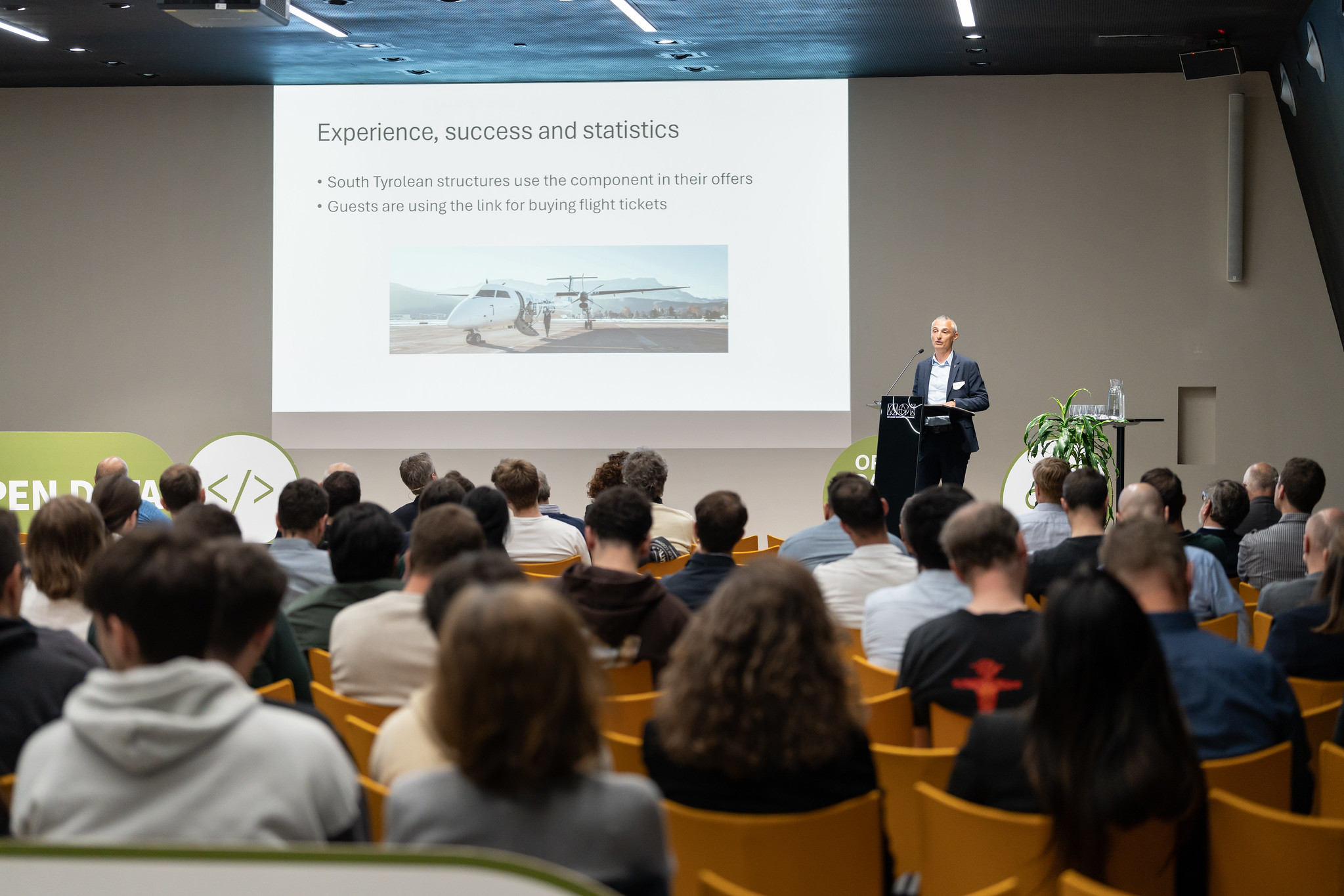
Yanovis, a leading provider of tourism-focused software solutions, has expanded its range of products by leveraging the advanced data visualisation tools of the Open Data Hub. Recognising the significant value of the Open Data Hub’s web component, which features real-time flight data from Sky Alps, Yanovis has integrated this functionality into its Yanovis Travel Suite to deliver an enhanced experience for its clients.

The ËRT project demonstrates how open data can transform creative concepts into effective solutions. By leveraging datasets from the Open Data Hub, the project transitioned from labour-intensive manual data entry to streamlined, scalable workflows. This innovation has resulted in the creation of interactive landscape models that combine CNC-milled terrain reliefs with dynamic digital projections. These models offer new and engaging ways to explore geographical information using real-world data and data visualisation tools
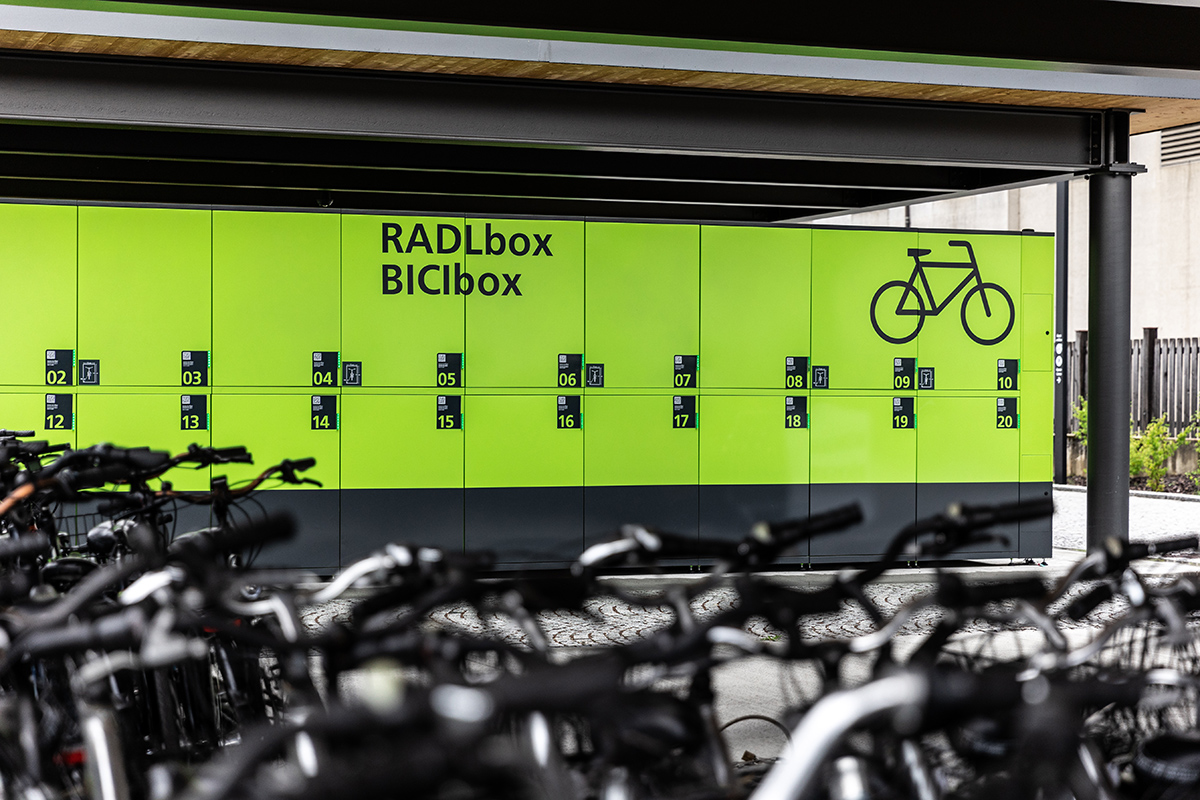
Südtirolmobil Bikeboxes are safe storage spaces for bicycles. The bike box service is seamlessly integrated into the Südtirolmobil system, enhancing the Mobility as a Service (MaaS) experience from a cyclist’s point of view. Cyclists with a Südtirol Pass can now use a single app to access a multimodal mobility service that includes public transport and smart bike parking, improving the overall travel experience.
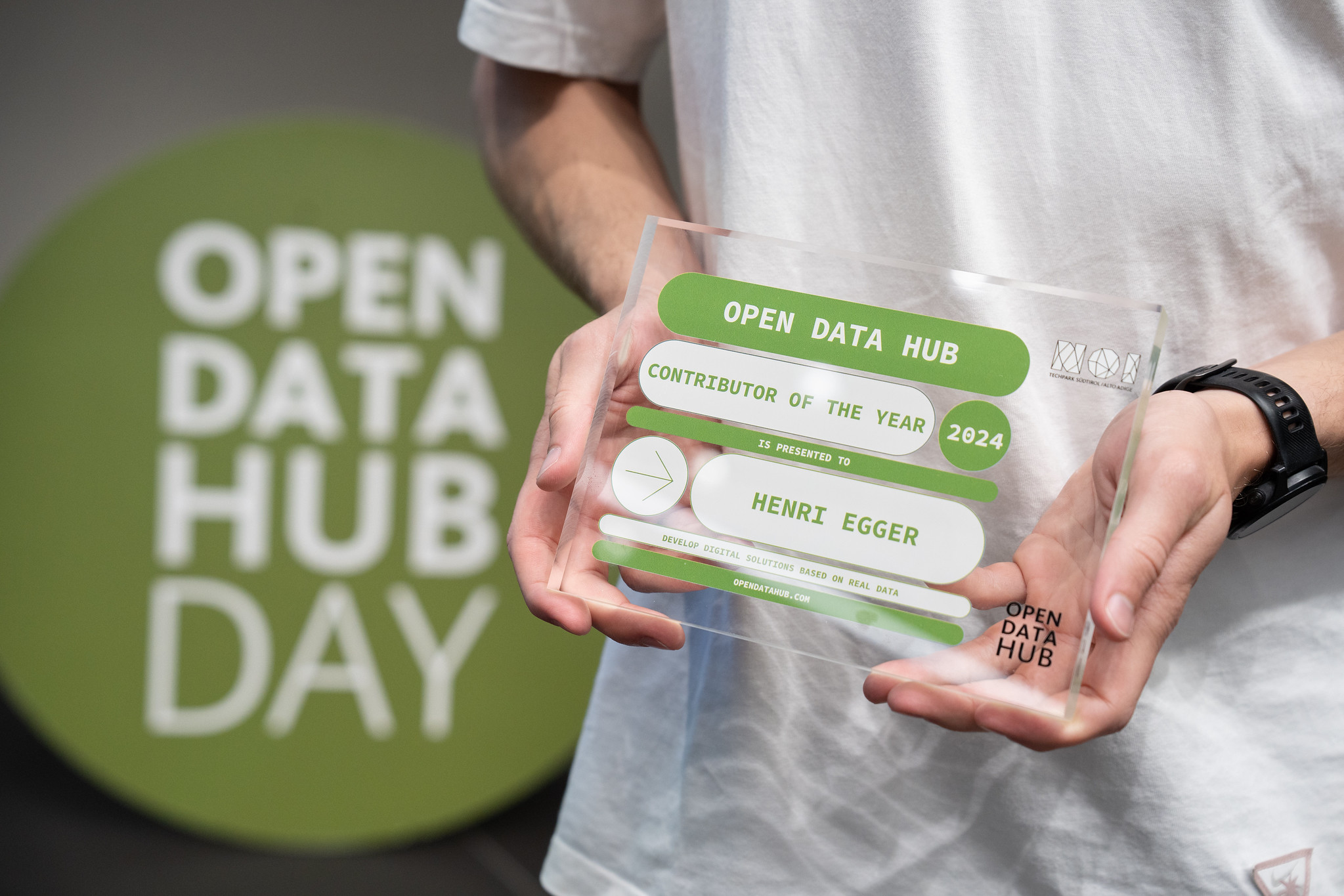
Annually, the Open Data Hub recognizes a standout individual with the Contributor of the Year award, celebrating their outstanding efforts that have greatly enhanced both the community and its influence.
The Merano App provides real-time parking information, which is supplied by the Open Data Hub. This enhances the experience for tourists by eliminating the uncertainty of finding a parking space, while optimising the daily routines of locals. The result is reduced traffic congestion and more efficient use of parking resources, which benefits both residents and visitors.

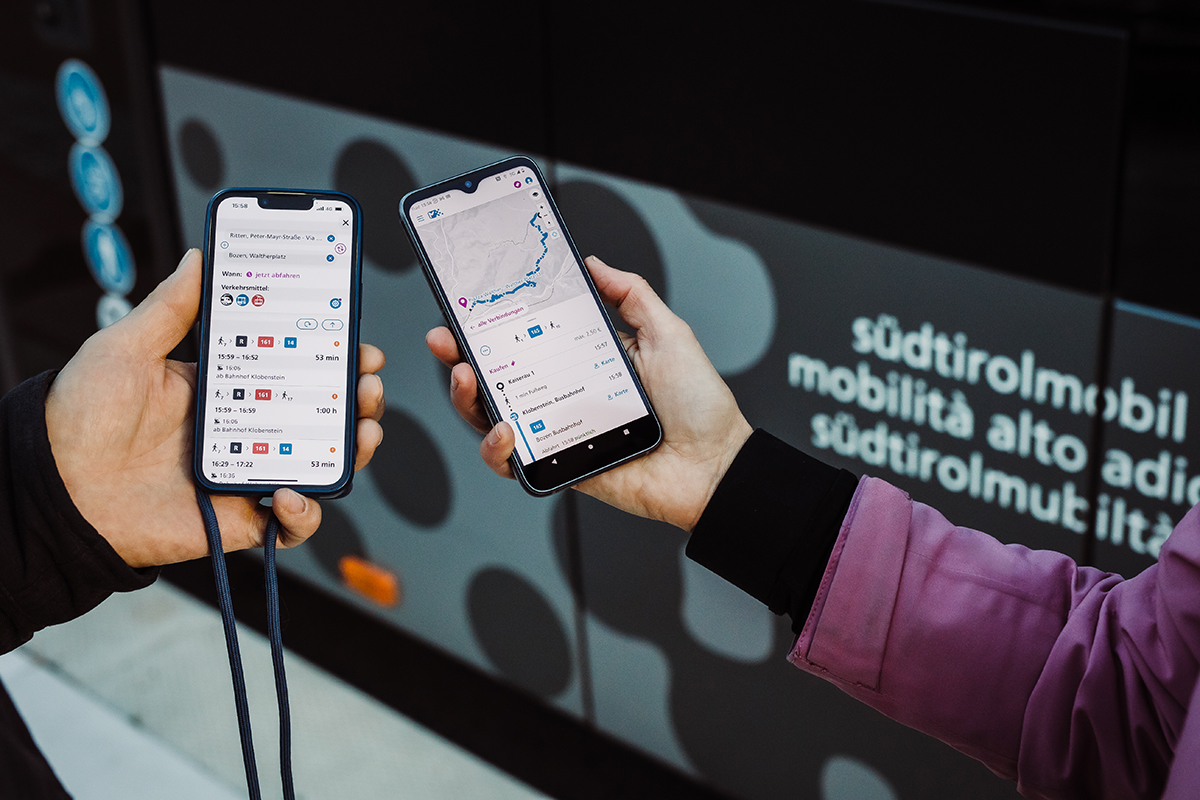
The future of public mobility hinges on key factors such as providing high-quality information via open data and integrating a modern digital ticketing system. However, a significant improvement stems from the ability to seamlessly integrate points of interest (POIs) from the Open Data Hub into search queries without requiring precise addresses. Simplifying this process transforms the passenger experience and broadens the appeal of public transport data platforms, marking a significant leap forward in the evolution of open data mobility solutions.
In today’s data-driven world, data visualisation is a powerful tool that enhances comprehension and facilitates communication. Eurac uses the Open Data Hub’s visualisation tools to create customised visual outputs that boost event visibility and audience engagement.

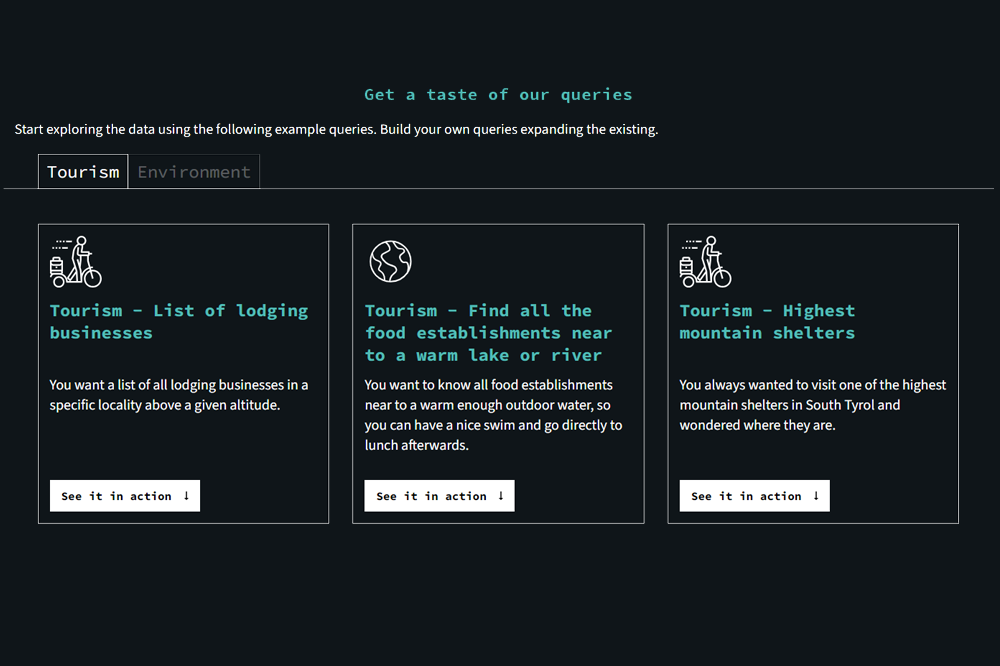
In 2019, Open Data Hub and Ontopic began an ambitious project to develop a Virtual Knowledge Graph leveraging real-world data. The aim was to give developers and data consumers seamless access to real-time mobility and tourism open datasets via a SPARQL endpoint, thereby creating a new open data access platform.
Open, real-time flight data offers distinct advantages to passengers, airlines, travel industry stakeholders and regulatory authorities. It enhances efficiency and improves planning and decision-making, promoting a more seamless and transparent travel experience for everyone. Taxi and shuttle services, as well as hotels offering transfers, also benefit from the Open Data Hub’s real-time data access.

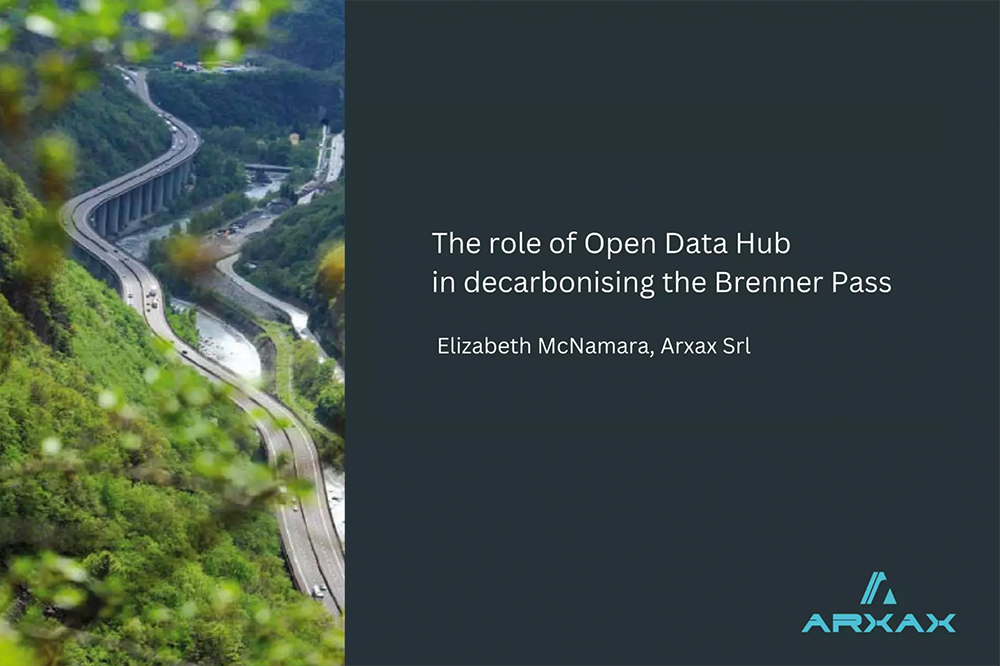
Arxax is committed to reducing carbon emissions from heavy-duty transport along the Brenner Corridor by promoting cleaner and more sustainable transport solutions using a data-driven approach. The project uses mobility data spaces and real-world data via the Open Data Hub to encourage environmentally friendly decision-making.
A new concept is emerging worldwide: ‘MaaS’ (Mobility as a Service). The idea is to allow people to access different integrated mobility services on demand through a unique app, and to choose the most appropriate one from time to time. This approach is based on open data integration and supports the development of data-driven mobility solutions.
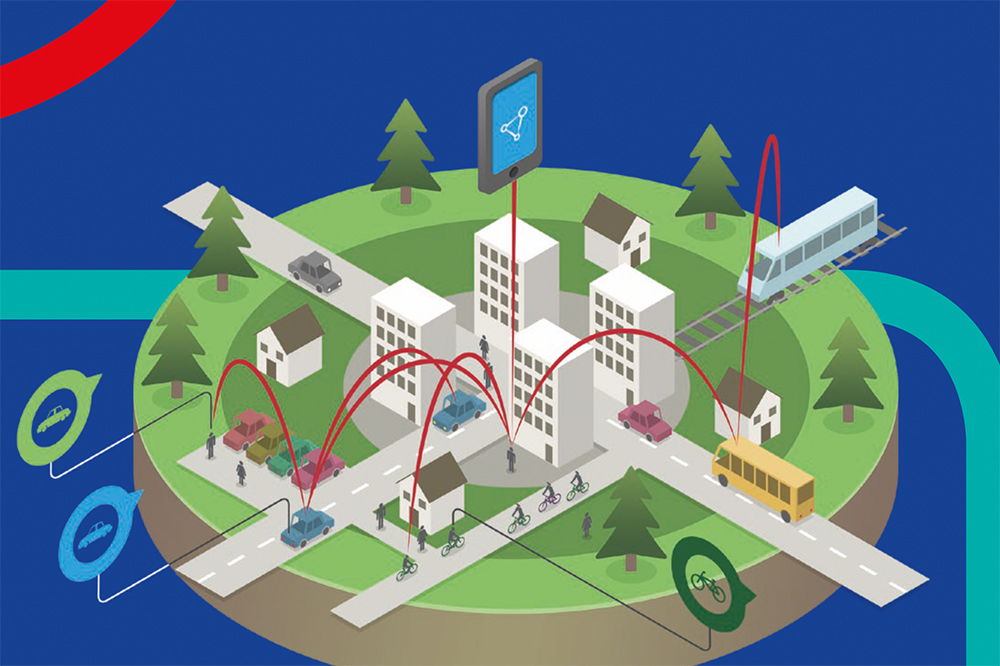

The BrennerLEC project was carried out in the context of a sensitive area like the Alps with the objective of creating a holistic concept of “Lower Emission Corridor” (LEC) for the A22 highway. The project aimed to implement and validate a set of different dynamic policies that have the goal to provide a clear environmental benefit in terms of air quality, climate protection and noise reduction.
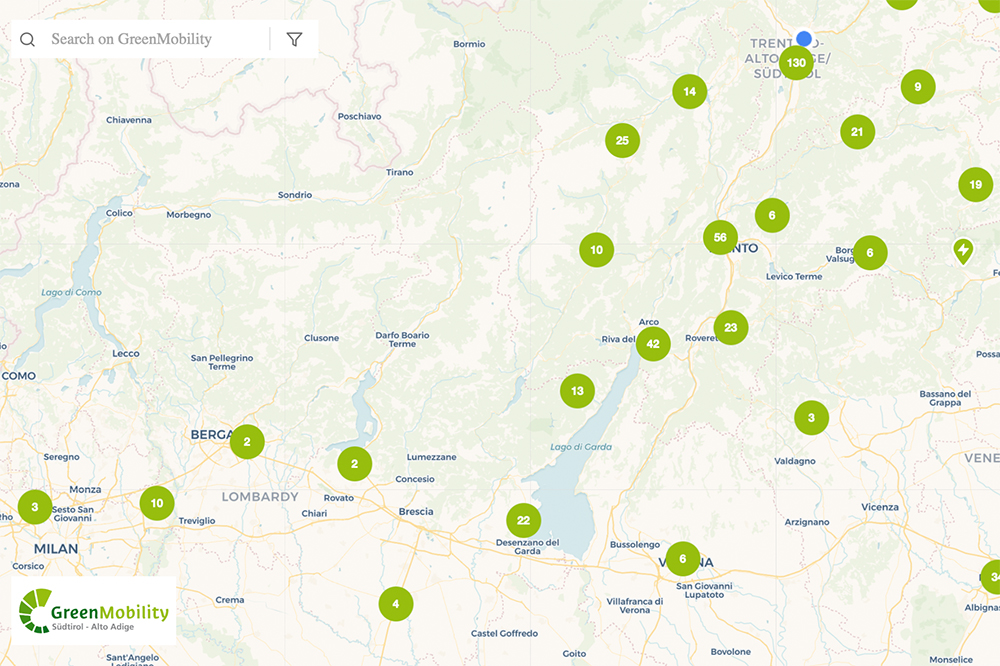
An interactive map that shows a large set of e-charging stations together with important real-time information, based on real-time open data provided by the Open Data Hub.
Have you realised an innovative project with data from the Open Data Hub?
Send us your project!
