 Loading...
Loading...
Loading...
How can an app turn basic data into an experience of discovery?
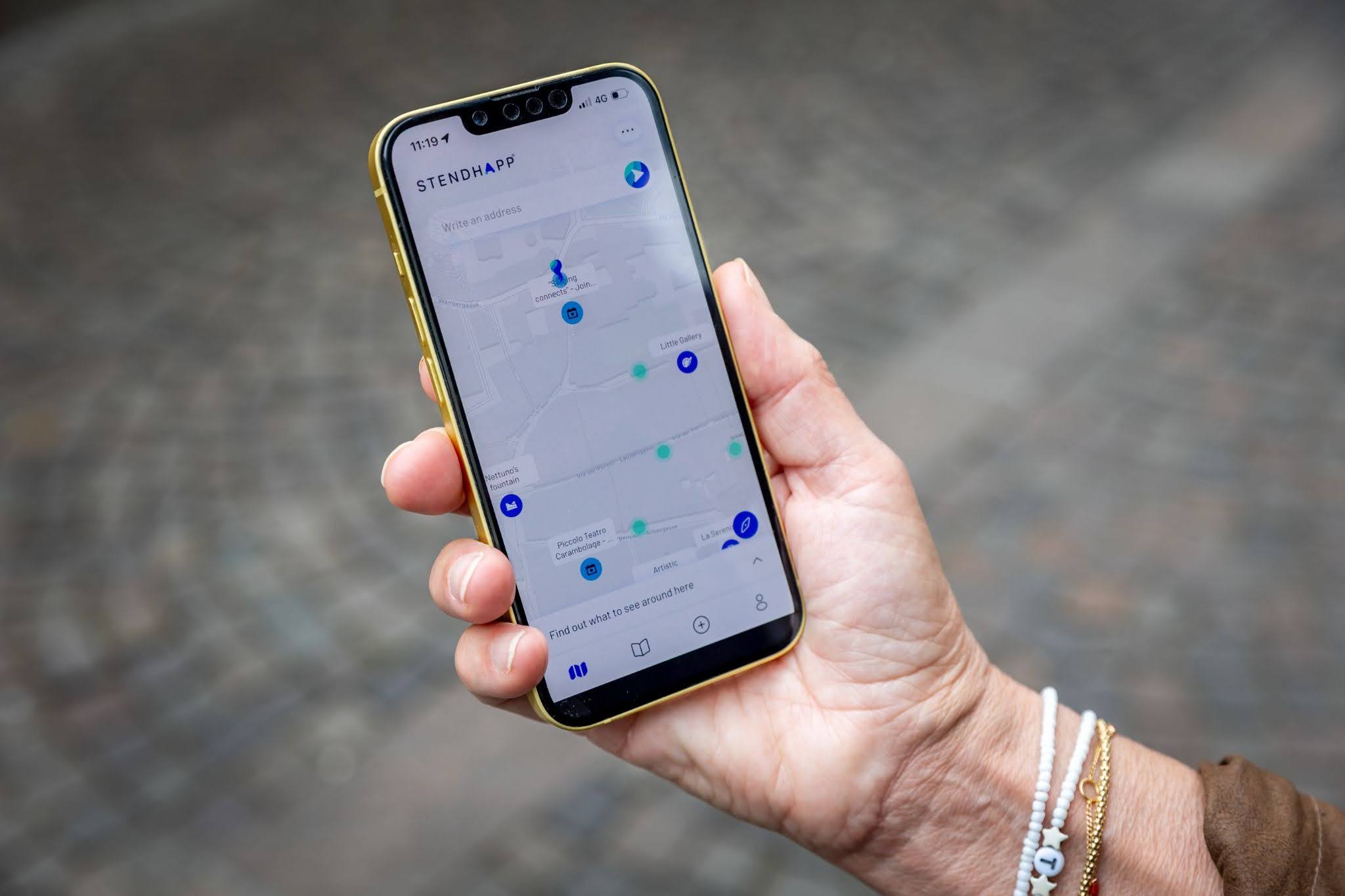
Stendhapp proves that it is possible. The Italian start-up has expanded rapidly into new territories by integrating open data on events and points of interest, provided by the Open Data Hub, into its map. This enables it to create personalised itineraries for users that are even more up-to-date and relevant. This is a concrete example of how high-quality data can enable innovative solutions in tourism and cultural promotion.
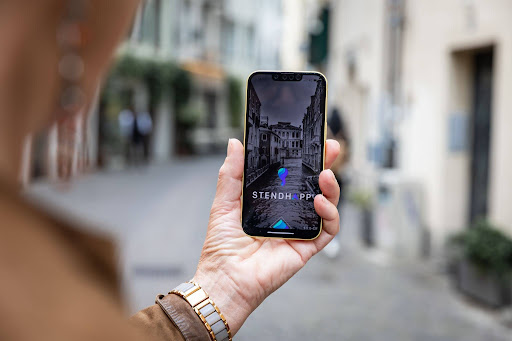
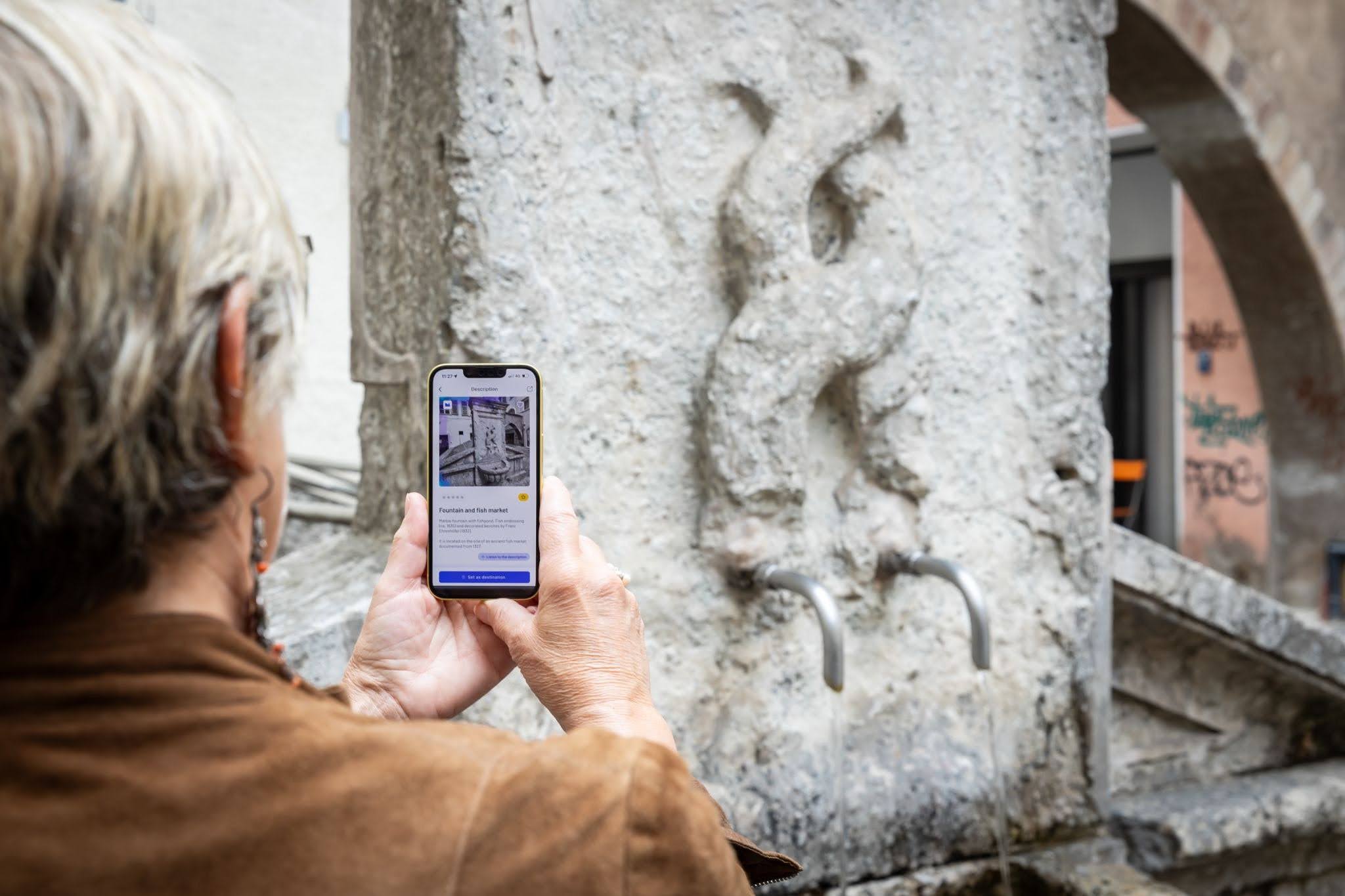
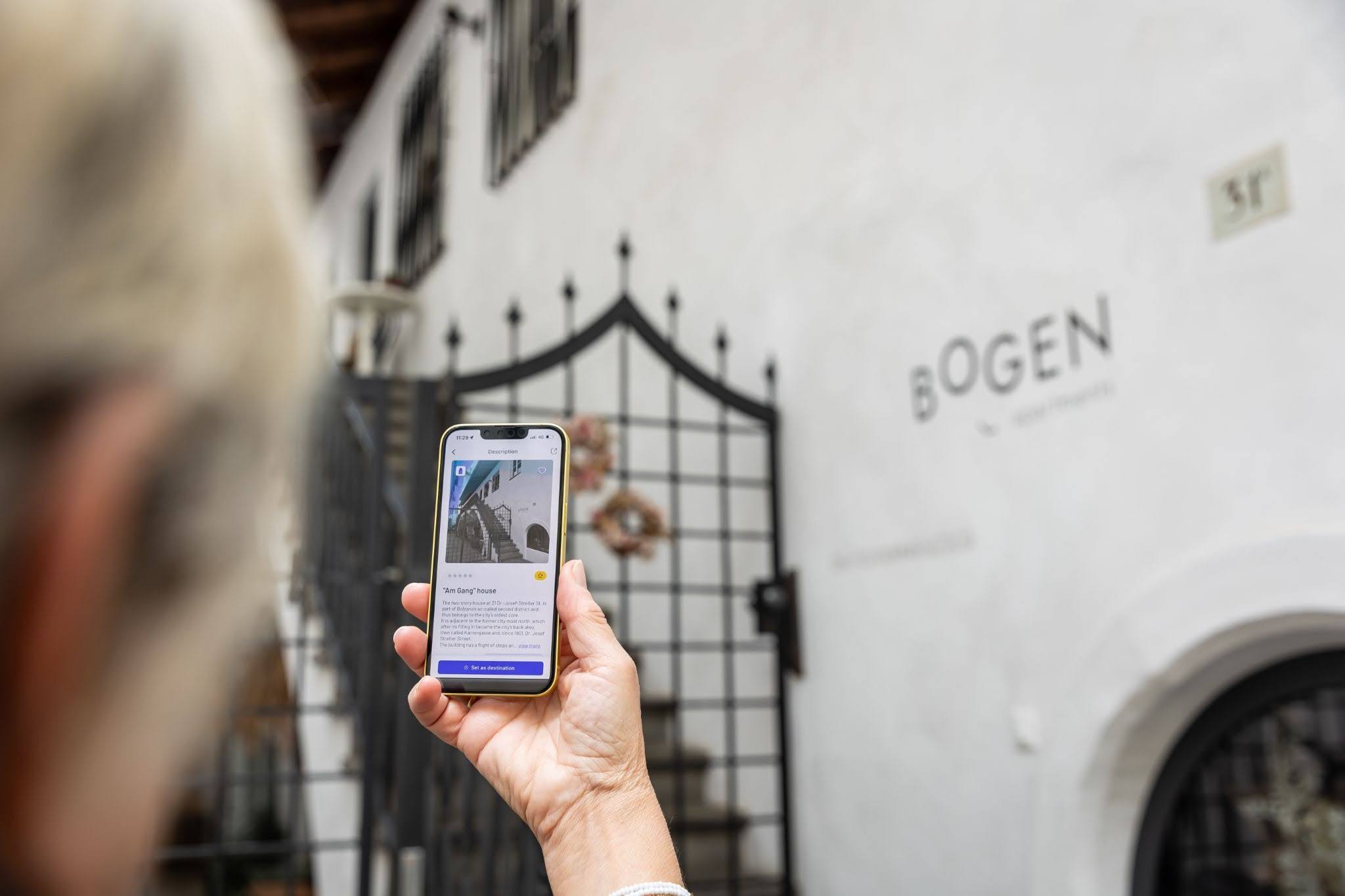
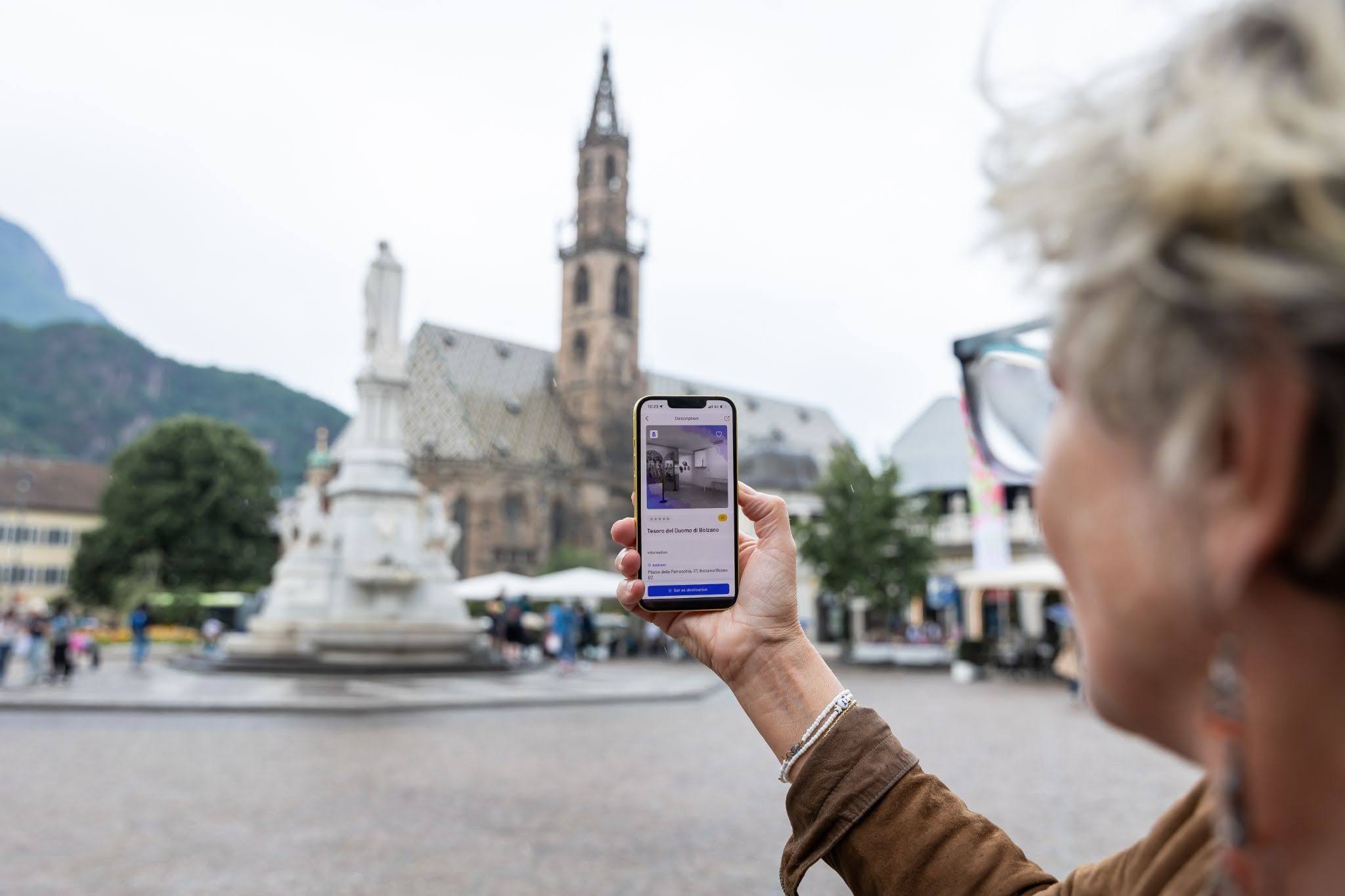
In tourism, the problem isn’t a lack of content, but its fragmentation: local events, hidden gems, gastronomy and stunning yet little-known landscapes often remain overlooked. Stendhapp was created precisely to address this challenge. This free app guides users through personalised itineraries generated in part by artificial intelligence, suggesting art, culture, events and gastronomy based on the user’s location and cultural preferences. Thanks to its ability to create augmented reality content, every location can be contextualised and transformed into an immersive experience, highlighting what would normally go unnoticed.
In order to offer a truly useful service, Stendhapp requires up-to-date, reliable data that is comprehensive in terms of geography. Expanding the platform into new territories, such as South Tyrol, requires access to structured information. Thanks to the open datasets provided by the Open Data Hub platform — particularly the Points of Interest and Events datasets — Stendhapp has been able to quickly integrate new information into its application. This has enabled the start-up to expand rapidly into new territories and enrich the itineraries generated by artificial intelligence, offering content that is always up to date and relevant.
By using Open Data Hub data, Stendhapp demonstrates how innovative, scalable and sustainable digital services can be developed, reducing time and costs while transforming data into a real competitive advantage.
Those developing solutions in the tourism sector or working with geographical data often face the same question: where can reliable data be found?
In many cases, the answer is already available. The data exists, is accessible via the Open Data Hub platform, and is ready to be used. The real difference lies in the ability to integrate and transform this data into useful experiences. Stendhapp demonstrates this in practice by combining open data, technology and a clear vision to generate real value for users and local areas.
If you are working on a project related to tourism and culture, such as an app or a service, you can access the data directly via the Open Data Hub’s Data Access service. This will enable you to integrate up-to-date, reliable datasets, thereby speeding up development and improving the quality of your product.
Francesca De Finis“Thanks to the Open Data Hub, we have been able to quickly and efficiently integrate reliable data on a large scale, transforming it into tangible experiences for our users.”